An Introduction to Programming and R for Academics
How do computers work ?
Computers are made up of billions of transistors that can either be in a state of being open or closed. They decide on whether to be open or closed depending on a series of commands that are written as 0 and 1.
A series of 0s and 1s often tell the computer what to do.
For example
0000110000000001000011010000000100000010000011000001101
This may possibly be a series of binary code that can tell the computer to add 1+1.
Talking to a computer. What happens behind the scenes.
A high-level programming language is usually used by a developer to tell the computer what to do.
High-Level Programming languages are written in English but still need to follow a particular syntax. These are relatively easier to write.
A High Level Programming language is converted to a what is called assembly code by a compiler. Assembly code is usually never written directly since it depends on the type of processor one is using.
The assembly code is then assembled to binary code by an assembler. This is a series of 1s and 0s.
Binary code is then converted to electric signals which are used by the processor to do the actual computing.
I don’t write any code. Why does this matter to me?
Most users use Graphic User Interfaces (GUIs) to interact with the computer. (This is FINE)
GUIs are about visual elements like Icons, Windows , Menus and Buttons. GUIs allow the user to use a mouse to point and click to execute functions that run at the backend without the user having to worry about it.
The GUIs are themselves written in a high-level programming language like Java , C++ , Python or R.
For example - Microsoft Excel or SPSS is written in a combination of languages like C++, Java and FORTRAN . So everytime a button is clicked a function in that respective language is executed at the backend without the user having to worry about it.
So why am I explaining this?
What is R
R is a high level programming language
Built with a focus on
Statistics
Data Visualizations
It has hence grown to have many other applications
Interactive App Development
AI and Machine Learning
Presentations (This presentation is written in R!)
Reports
Website Development
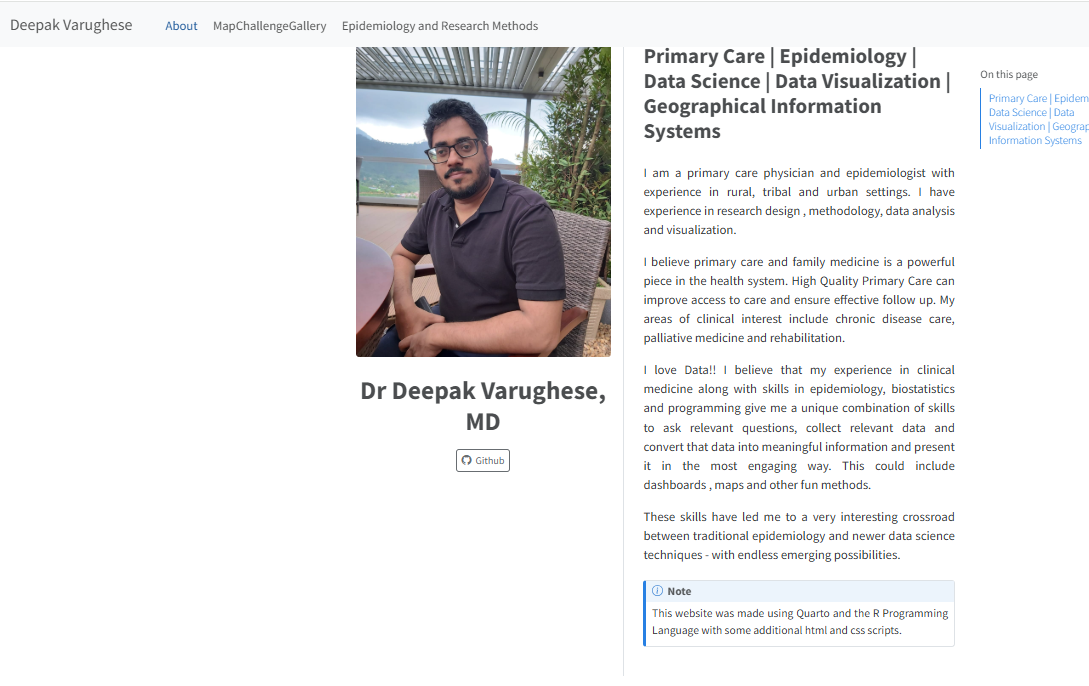
Website made in R ![]()
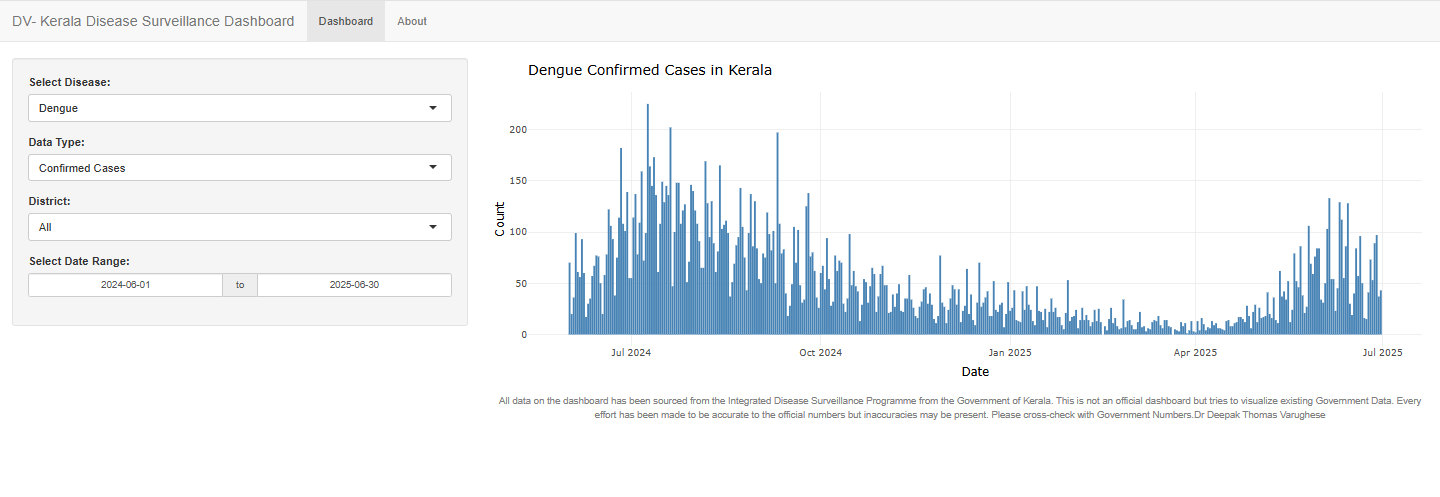
Dashboard made in R ![]()
Presentation made in R
(This presentation is made in R !)
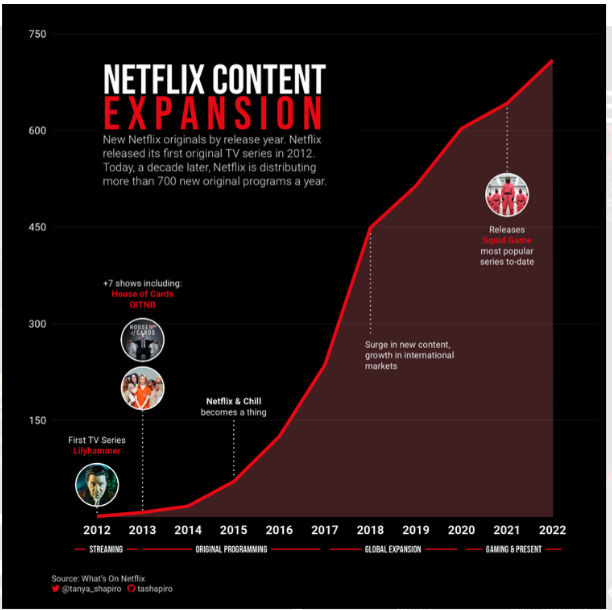
Visualizations made in R
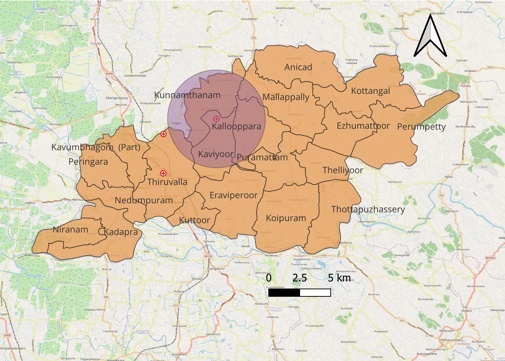
Maps Using R
Advantages of Using R
Free
Open Source
Reproducible
Very Flexible (Talk DIRECTLY to the computer without a GUI)
Very Powerful
Barriers to Using R
- Steep-Learning Curve with Mental Blocks ( CAN BE OVERCOME)
Other Considerations
Have Lots of Funding?
SPSS / STATA for Analysis
ArcGIS for Mapping
Hire a Web-Developer and Outsource work
Other Considerations
Want a Graphical User Interface ?
Paid Tools as above
Microsoft Office (Excel , Powerpoint)
Google Sheets , Google Slides
Free Tools
Only for Statistics - Consider JAMOVI (Which is a GUI for easy access to R)
Only for Mapping - Consider QGIS
Only for Visualization - Consider Canva for basic visualization that is not data-intensive.
Want Free , Flexible, Reproducible, Possibility of Automation?
- Consider R (or Python)
R / Julia
- if working in academia , statistics
Python
- If working in web-development , more general purpose coding
Want to go one step further ?
Consider combining R for statistics, Python for Web Development and SQL for Database Management.
Learning your first language is the hardest! Get a grasp of one language it becomes easier to pivot to other languages.
TAKEHOME MESSAGES
Pick your tool for the job you want to do.
Use a combination of tools if the need be.
R is a language , not a straight replacement for STATA or SPSS.
It offers flexibility, reproducibility, open source and possibilty to automate
IT CAN BE LEARNT. WE WILL DO THIS